
This Valentine’s Day, let’s show some love to everyone in its supply chains
Buying gifts to give to loved ones presents unique dilemmas to those who are concerned about who made them, under what conditions. Can you express your love for another person by buying them conflict jewelry, or child labour chocolate? What are the alternatives? And how have these dilemmas changed as a result of decades of actvisism highlighting trade injustice in these supply chains?
Teaching and learning resources
If you’re looking for resources to help creatively discuss the controversial issues in Valentine’s Day supply chains, here’s a selection.
a) celebrate February 14th as International Flower Worker’s Day
Watch this video and think about the lives of the people who grew that bunch of flowers you’re giving or hope to receive. Then read and discuss Lisa Taylor’s piece about what next.
Two out of every three flowers in the United States is imported from Colombia, as Colombia is the second-largest exporter of flowers in the world behind Holland. Behind the beauty of the flowers exported, there is a often hidden array of complex economic, labor, social, and environmental factors with direct consequences for those who work in the industry.
Lisa Taylor (nd) Witness for Peace
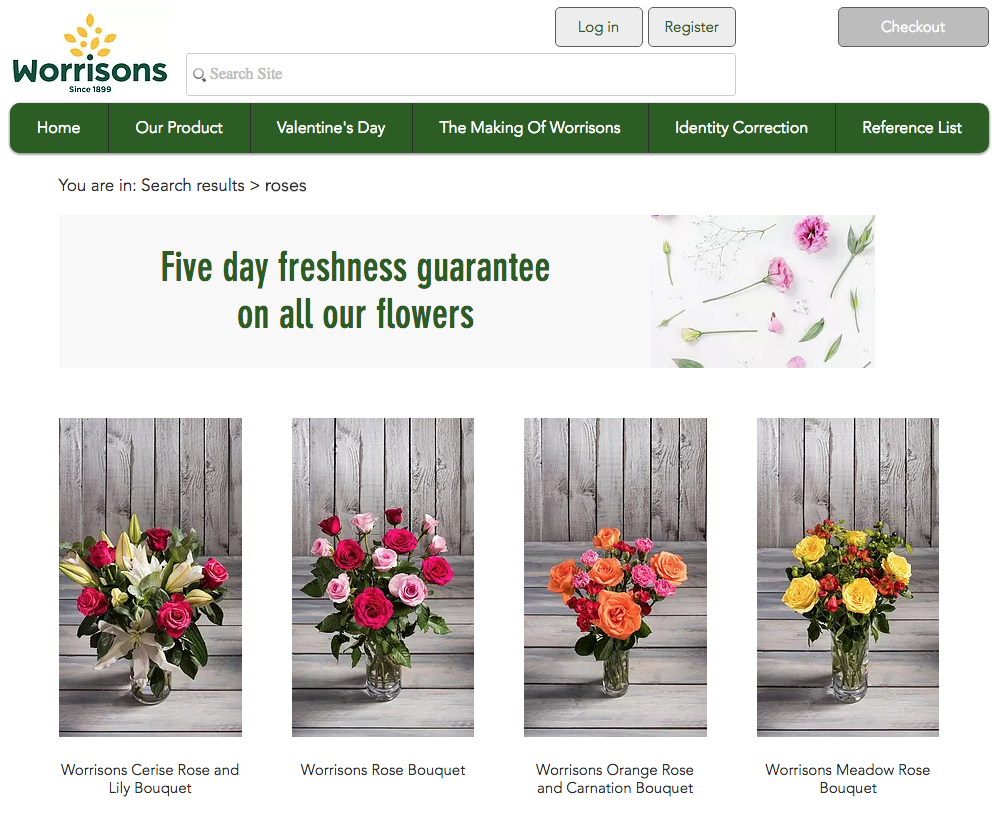
b) the Worrison’s flower collection
A spoof website created in 2017 by students taking the university module behind our site. Click the image below to get there, click the flowers you like, read the online reviews and make sure you click ‘Buy now’.
c) our LEGO Valentine’s Day album
Check this set of LEGO re-creations, click the images, read the text underneath, and maybe re-create other scenes from Valentine’s Day supply chains with your LEGO. This takes you there…
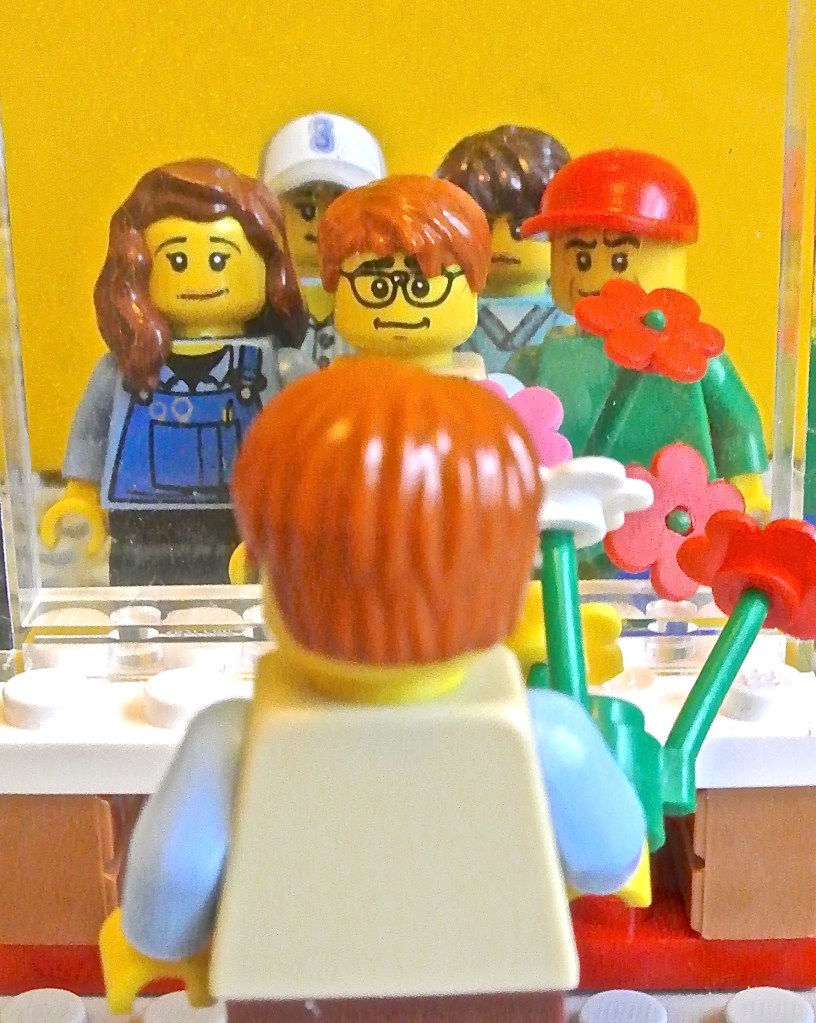
This post’s header re-creation takes Handprint, a short film about the care that unseen garment, shoe- and jewelry-makers invest in consumers’ appearance, and imagines a version about the care that others contribute to a simple Valentine’s day gift.
You look in the mirror holding the flowers you’re about to give, or have been given, and see in your reflection the people who grew them for you.
See our page on the making, discussion and impacts of this film here.
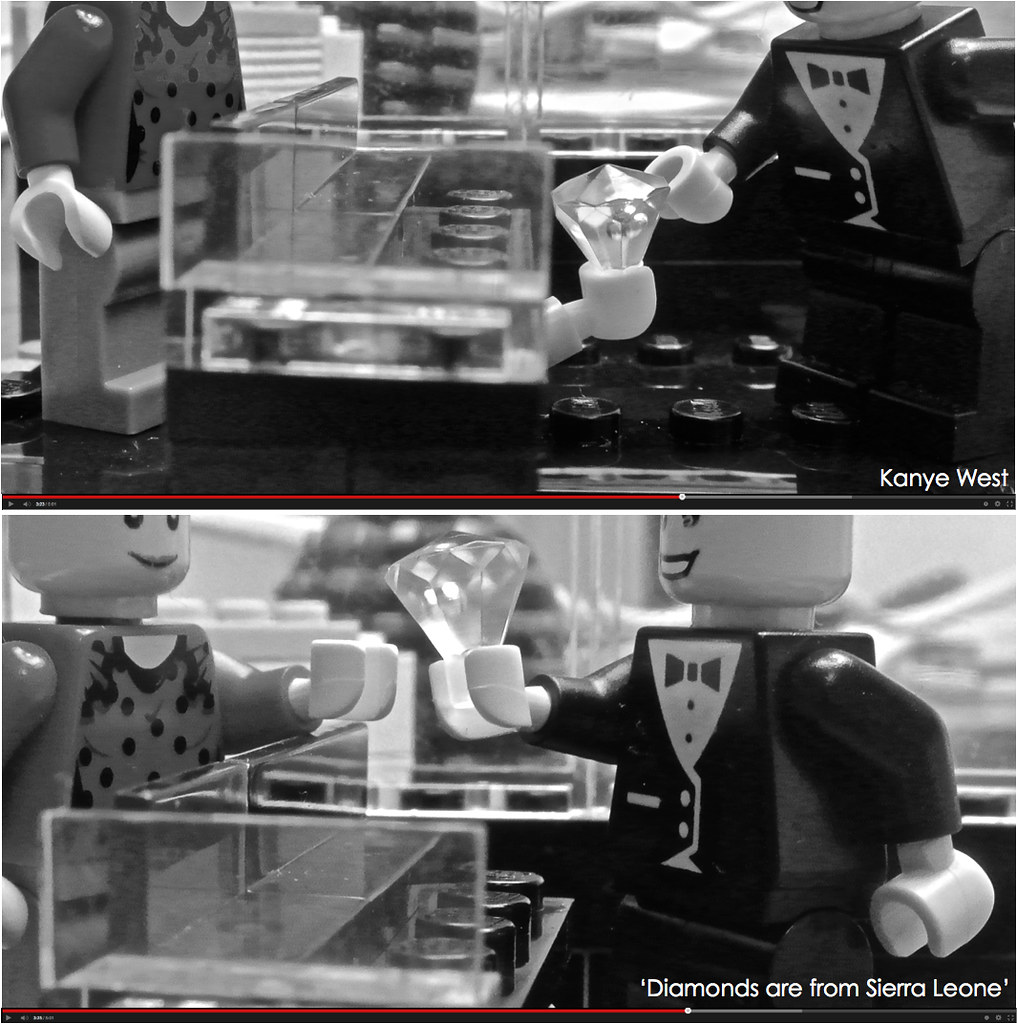
This example re-creates a scene from Kanye West’s music video Diamonds are from Sierra Leone, in which a New York jeweller takes a diamond directly from a child miner and gives it to a wealthy client;
See our page on the making, discussion and impacts of this music video on the blood diamond trade here.
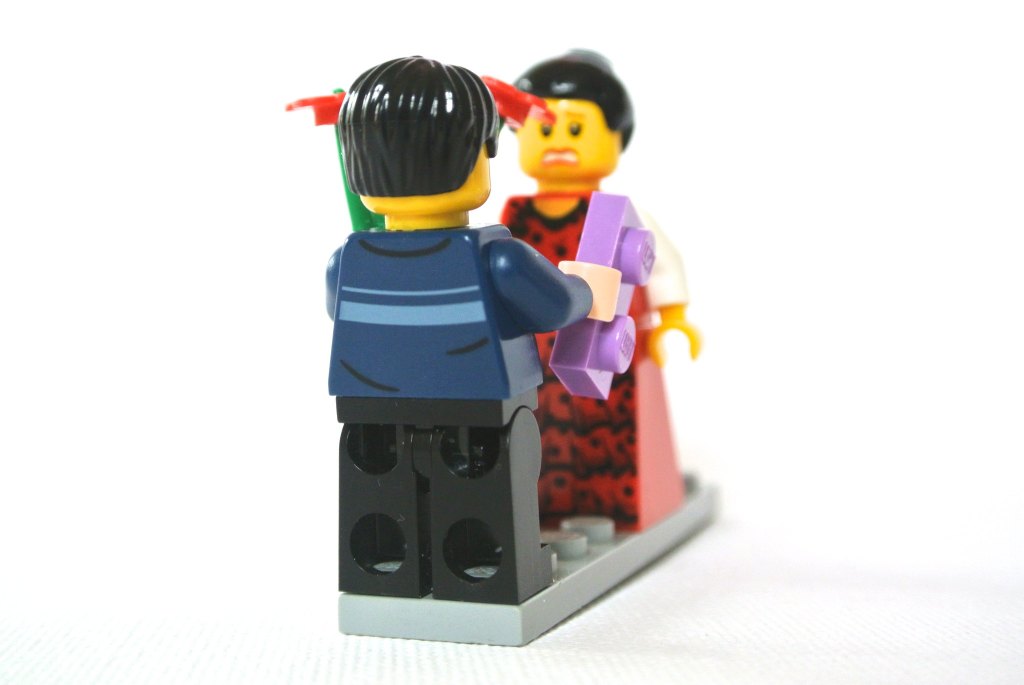
After reading the followthethings.com page on Finland’s favourite chocolate, Anni doesn’t know if she should accept Teemu’s Valentine’s Day gift.
See our page on the making, discussion and impacts of a controversial charity campaign by the Finnish chocolate brand Fazer here.
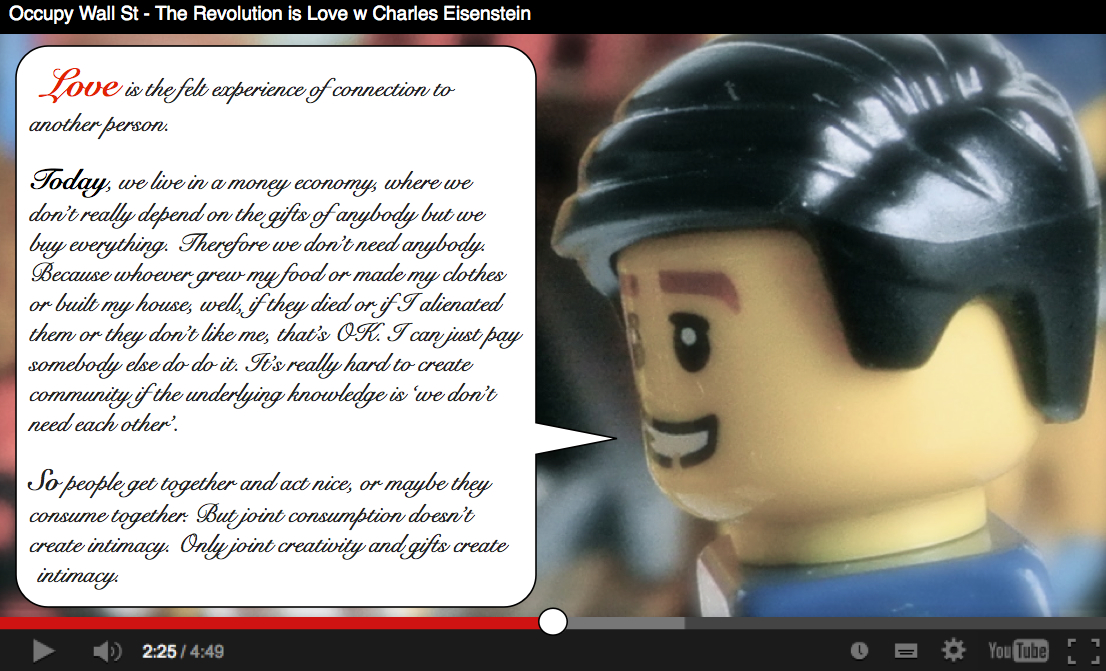
This scene re-creates part of an activist documentary – called Occupy Wall Street – The Revolution is Love – arguing that thinking carefuly avout supply chain workers at any time of year can encourage ‘consumers’ to think differently about ‘love’ in all of our relations, near and far, known and unknown.
d) Our most recent Valentine’s Day research
This post was originally published in 2014 and, partly as a result of the impact of some of the trade justice activism included above, there’s more public awareness about trade injustice in Valentine’s Day supply chains nowadays. The influence of Kanye West’s video – along with the Leonardo de Caprio film Blood Diamonds – on campaigns to create a more ethical diamond trade are discussed at the end of its followthethings.com page, for example. But trade justice activism continues to emerge, most notably around child labour in chocolate’s supply chains. So, for a more recent example (from 2023), watch this monologue by John Oliver from his Late Night satirical news show in the USA, and read about its making, discussion and impact on its followthethings.com page here.
Let us know our favourites
Ian et al x
Last updated 24 January 2026
 the back office